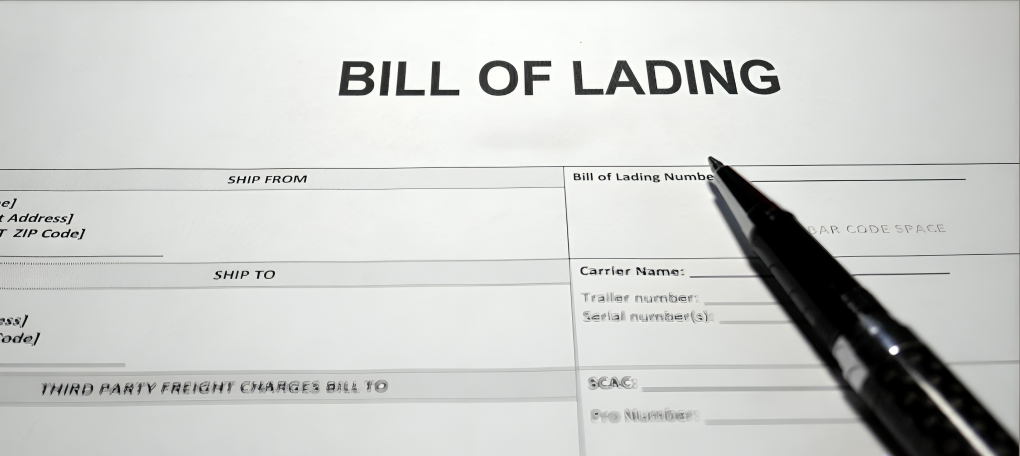
In logistics, freight forwarding, or international trade, the Bill of Lading (B/L) is one of the most important documents you’ll handle. It’s a legal document that acts as a receipt of goods, a contract of carriage, and a document of title.
One small error on a B/L can lead to major delays, added costs, or even legal disputes. That’s why it’s essential to know exactly what to look for, quickly and carefully. Here’s a fast yet effective checklist to help you read and verify a B/L in under one minute:
Parties Involved: Shipper, Consignee, and Notify Party
• Shipper: Who is sending the goods?
• Consignee: Who is receiving them?
• Notify Party: Who should be informed when the shipment arrives?
✔ Check: Are the names, addresses, and contact details accurate? Any mismatches can lead to delay, delivery failures, customs holds, and legal disputes over ownership.
Carrier Information: Vessel Name and Voyage Number
• Vessel: The name of the ship carrying the goods.
• Voyage Number: The specific voyage reference for the shipment.
✔ Check: Are the vessel name and voyage number complete and accurate? Errors or missing details can lead to shipment tracking issues, customs delays, and cargo release problems.
Geographical Specifics: Port of Loading and Port of Discharge
• Port of Loading: Where were the goods loaded onto the vessel?
• Port of Discharge: Where will they be unloaded?
✔ Check: These should match your booking and agreed-upon shipping route. Mistakes here can lead to cargo being offloaded at the wrong location.
Cargo Identification: Container and Seal Numbers
• Container Number: A unique identifier for the shipping container holding your goods.
• Seal Number: A tamper-evident seal applied to the container door.
✔ Check: Ensure the numbers listed on the B/L match the physical container and seal. A mismatch here is a major red flag, potentially indicating a wrong container, security breach, or administrative error that could lead to significant delays and liability issues.
Freight Terms: Prepaid or Collect?
• Freight Prepaid: The shipping costs have been paid by the shipper.
• Freight Collect: The shipping costs are to be paid by the consignee upon arrival of the goods.
✔ Check: This indicates who is responsible for the shipping cost, shipper or consignee. A misunderstanding can lead to payment disputes and delays in cargo release.
Cargo Details: Gross Weight, Packages, and HS Codes
• Gross Weight: Total weight including packaging.
• HS Code: Harmonized System Code for customs classification.
✔ Check: These details are crucial for customs declarations, accurate freight calculations, and ensuring compliance with import/export regulations. Incorrect information can lead to customs fines, delays, and re-classification issues.
Authentication: Signature and Issue Date
• Signature: House Bill of Lading (HBL) must bear the legitimate signature or stamp of the authorized representative of the freight forwarder (or NVOCC).
• Issue Date: The date the House B/L was issued. This date should align with the shipment and booking details.
✔ Check: Is the signature present and correct? Is the issue date aligned with the shipment schedule? An unsigned B/L or incorrect issue date can render the document invalid and create significant problems for customs clearance and cargo release.
Typos and Spelling Errors
• Even minor errors (e.g., a misspelled company name) can lead to delays or complications at customs or banks, especially for Letter of Credit shipments. Customs authorities and port operators rely on precise data. A typo can lead to your cargo being held, requiring amendments that are often costly and time-consuming. Proofread names, addresses, product descriptions, and any numerical data meticulously.
Final tip, don’t rush, even when you are rushed. With practice, reviewing a Bill of Lading can take less than a minute. However, always slow down just enough to catch those small but costly errors. Double-checking can save days of delay and thousands in expenses.
