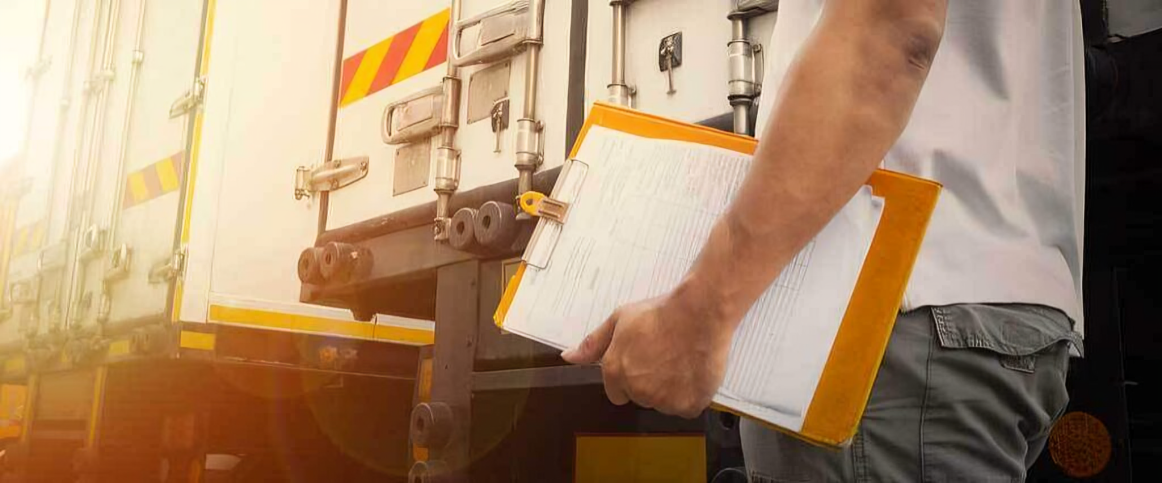
In global logistics, sometimes the biggest disruption sits quietly in your email, an overlooked document, an unsigned form, or a missing certificate. One missing form or incorrect detail can delay cargo, result in hefty fines, or even lead to legal complications.
Every exporter must grasp that air freight and sea freight aren’t just different in speed or cost, they also require different documentations. Therefore, understanding freight documentation is non-negotiable.
This article will walk you through the essential documents you’ll need when shipping by air or sea, and why each one matters.
Key Sea Freight Documents
Sea freight is the backbone of global trade. It’s ideal for large, bulky, and non-urgent shipments. But with this cost-efficiency comes complexity and a heavier administrative load. Ocean shipping is a highly regulated, multi-party affair involving carriers, ports, customs, and sometimes financial institutions.
• Bill of Lading (B/L): This is the most important document. It functions like a passport for your cargo, containing all the critical information needed for the journey.
• Mate’s Receipt: Issued by the ship’s officer, this verifies that cargo has been received on board.
• Commercial Invoice & Packing List: These outline the value and contents of the shipment for customs clearance.
• Certificate of Origin (COO): Required by many countries to apply correct tariffs or verify compliance with trade agreements.
• Shipping Instructions & Export License: These ensure compliance with both origin and destination regulations.
• Dangerous Goods Documentation (if applicable): Ensures the cargo is correctly classified and handled.
• Insurance Certificate: Proves coverage in the event of damage or loss.
• Letter of Credit (LC): If financing is involved, banks will require all relevant original documents to release payment.
Key Air Freight Documents
Air freight is the express lane of international shipping. But speed comes at a price, not just in cost, but in the level of accuracy required.
• Air Waybill (AWB): this is a non-negotiable document that travels electronically with the cargo.
• Commercial Invoice & Packing List: customs need these to assess and clear goods.
• Certificate of Origin: Often scanned and submitted digitally for pre-clearance.
• Security Declaration: A document unique to air freight, ensuring the cargo poses no security threat.
• Dangerous Goods Declaration: Air regulations (IATA) are strict, especially for batteries, chemicals, or flammable items.
• Customs Declaration: Essential for import/export clearance.
• Export Licenses: Needed for restricted goods or sensitive technology.
• Insurance Certificate: Especially critical for high-value shipments or temperature-sensitive cargo.
While both air and ocean freight aim to move cargo from origin to destination, the paths they take, and the paperwork that supports them operate on distinct principles. Each with its own legal frameworks, timelines, stakeholders, and compliance risks.
The nature of the transport mode itself plays a key role. Sea freight is slower and involves more stakeholders such as shipping lines, port authorities, customs brokers, inland transporters, and sometimes banks when LCs are involved. In contrast, air freight is fast and centralized, typically managed by the airlines, ground handling agents, and customs authorities. As a result, sea freight documentation tends to be more complex and formal while air freight documentation is digitized and standardized paperwork.
Even for hazardous goods, the regulatory frameworks diverge. Sea freight follows the IMDG Code (International Maritime Dangerous Goods), while air freight follows IATA’s Dangerous Goods Regulations (DGR). Each requires different documentation formats, labeling standards, and submission processes. Mistaking one for the other can have serious compliance consequences.
Every document has a purpose and every detail matters. Understanding the distinct requirements of each mode is essential and mastering freight documentation is a smart business. By staying proactive, detail-oriented, and well-coordinated with your logistics partners, you can avoid costly setbacks strengthen your position in the global supply chain.
